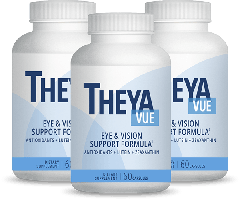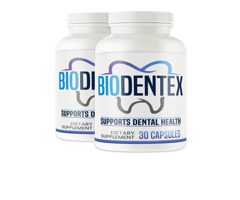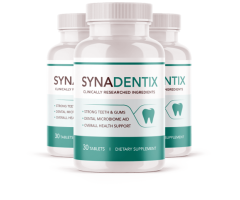
What it is: Calcium is an essential mineral and electrolyte found throughout the body, primarily stored in bones and teeth where it provides structural strength.
What it does: Calcium supports healthy bone structure, helps regulate muscle contraction, aids in nerve transmission, and plays a crucial role in blood clotting mechanisms.
How it is used: Calcium is commonly taken to promote bone health, especially during periods of growth, aging, pregnancy, or in people with low dietary intake, and is often paired with vitamin D for optimal absorption.
Natural sources and supplement forms: Major natural sources include dairy products, leafy green vegetables, fortified foods, almonds, and fish with edible bones. Supplemental forms found on labels include calcium carbonate and calcium citrate, typically in tablets, capsules, or chewable forms.
Why it appears in supplement formulas: Calcium is included because it helps support and maintain bone density and overall musculoskeletal strength when dietary calcium is insufficient or needs are elevated.
What to know before use: High-dose or prolonged calcium supplementation can increase the risk of kidney stones and may interfere with the absorption of other minerals, so consult a healthcare provider if you have kidney issues or take multiple mineral supplements.
Interesting Fact
Calcium: The Most Abundant Mineral in the Human Body
About 99% of the calcium in your body is stored in your bones and teeth, helping to keep them strong and structurally sound. The small amount found in blood and tissues is crucial for muscle movement, nerve function, and signaling. Leafy greens, dairy products, and fortified plant milks are all natural sources of dietary calcium.