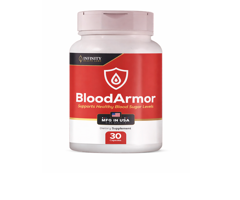
What it is: Berberine HCl is a purified hydrochloride salt of berberine, a naturally occurring yellow alkaloid found in plants such as barberry, goldenseal, and Oregon grape.
What it does: It supports healthy glucose and lipid metabolism, and is known to activate AMPK, which is involved in cellular energy regulation and metabolic balance.
How it is used: Berberine is commonly used in supplements aimed at supporting blood sugar control, metabolic wellness, cardiovascular function, and occasionally digestive comfort.
Natural sources and supplement forms: Naturally present in the roots and bark of certain medicinal plants, berberine is typically offered as berberine hydrochloride (HCl) in capsule or tablet supplements for better absorption and stability.
Why it appears in supplement formulas: Its ability to support healthy metabolism, blood sugar, and cholesterol balance—along with centuries of traditional use—makes berberine HCl highly valued in wellness supplements.
What to know before use: Berberine may interact with medications that affect blood sugar or liver enzymes; seek medical advice before use if you are on prescription drugs or have chronic health concerns.
Interesting Fact
Berberine HCl: A Bright Yellow Plant Compound
Berberine HCl is a natural compound found in several plants, including barberry, goldenseal, and Oregon grape. Known for its bright yellow color, berberine has been used in traditional practices for centuries and is valued today for its role as an active plant alkaloid, often featured in supplement formulas targeting metabolic support and botanical diversity.